
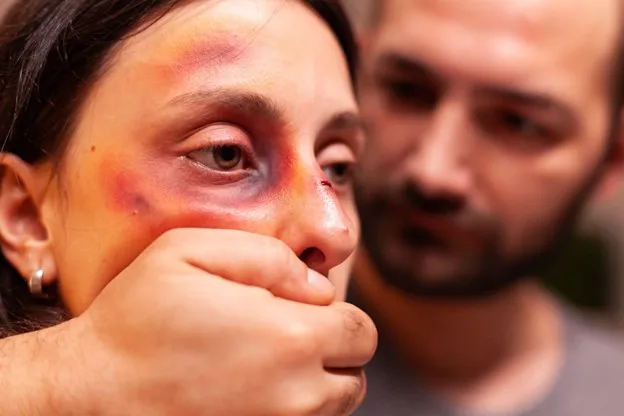
What Are My Rights as a Crime Victim in Arizona?
When you or someone you love is the victim of a crime, the experience is terrifying. You feel violated, angry, and confused. The assault, the burglary, or the scam is the first shock. But for many, the second shock comes when they enter the criminal justice system.
Suddenly, it’s not about you. It’s about “The State of Arizona vs. John Doe.”
You are now a “witness.” You have to talk to police, prosecutors, and maybe even the defendant’s lawyer. It’s easy to feel lost, forgotten, and re-traumatized.
But here in Arizona, you have rights.
In 1990, our state passed the Victims’ Bill of Rights (VBR), which is part of the Arizona Constitution. This law is one of the strongest in the nation. It says that victims are not just evidence; they are participants who must be treated with “fairness, respect, and dignity.”
At Knochel Law Offices, we’ve spent over 35 years in the Tri-State community. While our criminal law team often defends the accused, we also have a deep understanding of the other side of the case. We believe everyone deserves to have their rights protected.
If you are a victim, you need to know your rights. Here’s what the law says you are entitled to.
What Are My Most Important Rights as a Victim in Arizona?
The VBR is long and detailed (A.R.S. § 13-4401 to 13-4440), but here are the most important rights you need to know about.
1. The Right to be Kept Informed You have the right to know what is going on with the case. The prosecutor’s office (in our area, the Mohave County Attorney’s Office) must tell you:
- The status of the case.
- When the suspect is arrested.
- When the suspect is released from jail (this is a big one).
- The time and place of all court hearings (like the arraignment, pre-trial conferences, and the trial itself).
- The final outcome of the case.
You should not be in the dark. You have a right to know what is happening.
2. The Right to be Present You have the right to be in the courtroom for every single hearing where the defendant is present. In the old days, victims were often kicked out as “witnesses.” Not anymore. This is your case, too. You have a right to be there.
3. The Right to be Heard This is one of the most powerful rights. You have the right to speak to the judge (or the probation department) before sentencing.
- Victim Impact Statement: This is your chance to tell the court, in your own words, how this crime has affected you. You can talk about the financial, emotional, and physical damage. This statement is a major factor the judge considers when deciding on a sentence.
- Plea Agreements: The prosecutor must talk to you before they offer the defendant a plea deal. You don’t have a “veto” (you can’t stop the deal), but the prosecutor has to listen to your opinion first.
- Release Hearings: You have the right to tell the judge why you think the defendant should not be released on bond.
4. The Right to Receive Restitution If the defendant is found guilty, you have a constitutional right to get your money back. This is called restitution.
Restitution is for your direct, out-of-pocket financial losses. This includes:
- Your hospital or therapy bills.
- The cost to repair your car or home.
- Your lost wages from missing work.
- The value of your stolen property.
This is not a “maybe.” The court must order the defendant to pay you back.
5. The Right to Refuse an Interview This is a right almost no one knows about. The defendant’s lawyer or their investigator will probably call you. You do NOT have to talk to them.
You have the right to refuse any interview or “deposition” request from the defendant’s team, unless the court specifically orders it (which is rare).
This protects you from being harassed or tricked by the other side. You can, and often should, simply say, “I will not speak to you. Please direct all questions to the prosecutor.”
How Do I Make Sure My Rights Are Protected?
Your rights are not automatic. You have to ask for them (“invoke” them).
When you first talk to the police in Bullhead City or Kingman, they should give you a form. This form allows you to formally request your rights. You must fill this out and return it to the prosecutor’s office.
This puts you “on the list,” and they are then legally required to contact you.
Every prosecutor’s office also has a Victim Advocate. This is a person who is not a lawyer, but whose job is to help you. They are the best person to call “near me” for help. They can walk you with you to court, help you write your impact statement, and connect you with services (like finding a good counselor).
What If I Am a Victim, But My Case Is Here in Arizona?
Maybe you are a victim of a crime in our community. You may have questions about the criminal case, but you may also have questions about your own legal options.
For example, if you were hit by a drunk driver, you are the victim in the criminal case (State vs. Drunk Driver). But you also have a separate personal injury case against that driver to pay for your medical bills and your pain and suffering.
Or, if you were assaulted at a Laughlin casino or a local bar, you are the victim in the criminal case. But you may also have a case against the business for failing to provide adequate security.
At Knochel Law Offices, we have helped people in the Tri-State area for over 35 years. We understand how these cases work together. We can help you understand all your rights—not just in the criminal case, but in your case.

Key Takeaways: A Victim’s Rights in Arizona
- Arizona Has a Victim’s Bill of Rights: It’s in our state Constitution and it gives you the right to be treated with dignity and respect.
- You Have the Right to Know: You must be told about court dates, plea bargains, and when the defendant is released from jail.
- You Have the Right to be Heard: You can give a “Victim Impact Statement” to the judge before sentencing to explain how the crime affected you.
- You Have the Right to Restitution: The defendant must be ordered to pay you back for your financial losses.
- You Have the Right to Refuse: You do not have to talk to the defendant’s lawyer or investigator.
- You Must “Opt-In”: You must fill out the paperwork given to you by police to formally request your rights.
5 Common Questions About Victim’s Rights
- The prosecutor offered a plea deal I hate. Can I stop it? No. Under the law, the final decision belongs to the prosecutor. You have the right to be consulted and to share your opinion (which they take very seriously), but you do not have a “veto” over the plea bargain.
- The defendant was ordered to pay me restitution, but I haven’t seen a dime. What do I do? This is a common and sad problem. The court orders it, but it doesn’t always collect it. You should contact the Mohave County Superior Court Clerk (or the probation department) to see if the defendant is on a payment plan. If they are not paying, the probation officer can file to have them found in violation of their probation. It can be a long, hard process to get your money.
- Will I have to testify at trial? Maybe. If the case goes to trial (most don’t), you as the victim are the most important witness. The prosecutor will likely “subpoena” you, which is a court order that requires you to show up. The prosecutor’s victim advocate will help you prepare and will be with you.
- I’m scared the defendant will hurt me. What can I do? This is your number one priority. You have the right to be protected. Tell the prosecutor immediately. You can get a “No-Contact Order” from the judge, which makes it a new crime for the defendant (or their friends/family) to call, text, or come near you. If you are in immediate danger, always call 911.
What’s the difference between restitution and a civil lawsuit? Restitution (in the criminal case) only covers your direct, out-of-pocket financial losses (like a $1,000 hospital bill). A civil lawsuit (a personal injury case) can cover all of that, plus money for your “pain and suffering,” your emotional distress, and future lost wages. The best way to be made whole is often to pursue both.