
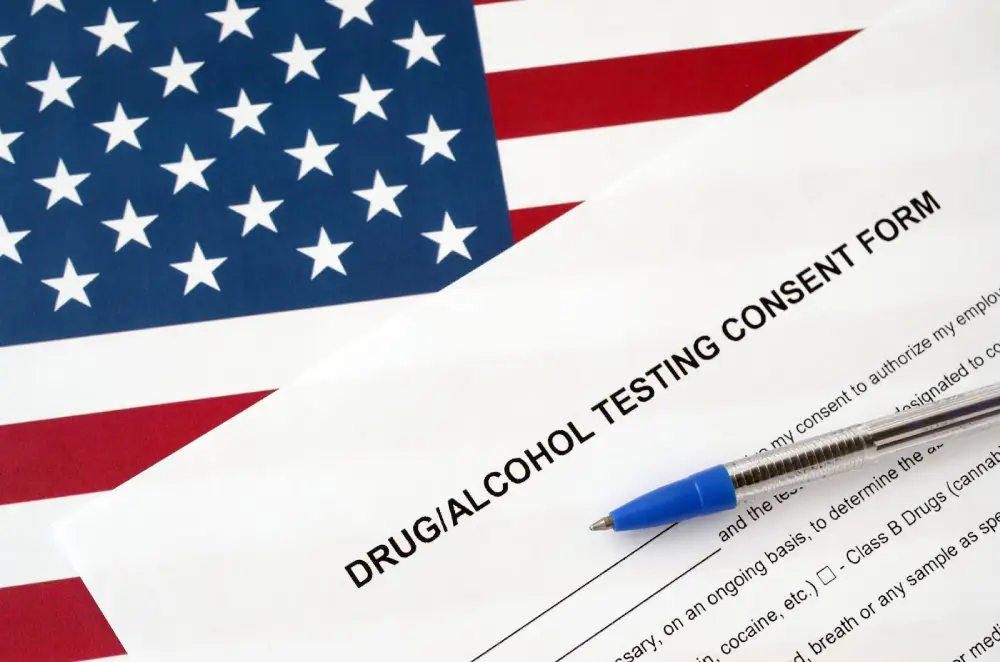
Getting pulled over near the river in Bullhead City or on a dark road in Kingman is a scary moment. When the officer starts asking you to blow into a tube or give a blood sample, it’s important to know that under the Arizona Implied Consent Law, the officer must have reasonable grounds to believe you are impaired before requesting a test. This guide explains the Arizona Implied Consent Law, what it means for drivers, and what happens if you refuse a DUI test. If you drive in Arizona or are facing a DUI stop, understanding this law is crucial to protect your rights and driving privileges. The Arizona Implied Consent Law applies to all drivers operating a vehicle in Arizona, and by operating a vehicle, you give consent to chemical testing if arrested for DUI-related offenses. The stakes are high: refusal can lead to immediate license suspension and other serious legal consequences.
Key Takeaways: What You Must Know Right Now
- You Already Agreed: By simply having an Arizona driver license, the law says you “already agreed” to a breath or blood test (A.R.S. § 28-1321).
- Refusal is Expensive: If you say “no” to the big test at the station, you lose your driver license for 12 months automatically—even if you weren’t actually drunk.
- Act Fast on Suspension: After a refusal or DUI arrest, a person’s hearing request must be submitted promptly to contest the suspension. You can make a written or online request to the department for a hearing.
- The “Search Warrant” Reality: If you refuse, police in Lake Havasu or Bullhead City can call a judge and get a warrant to take your blood by force in minutes.
- The 15-Minute Rule: Our lawyers look to see if the officer watched you for a full 15 minutes before the test. If they didn’t, the results might be tossed out.
- We are Local: With offices in Bullhead City, Kingman, and Lake Havasu, our lawyers are always close to home when you need us.
Now, let’s look at what the Arizona Implied Consent Law actually means for drivers.
About Knochel Law Firm: Experience and Trust
My name is Keith Knochel. My partner Aline and I have been practicing law since 1982. At Knochel Law Firm, we have spent over 40 years standing up for people in Mohave County. We know that a DUI charge feels like the end of the world, but it doesn’t have to be. Our lawyers are here to give you clarity and heart when things get tough. We bring the kind of “Experience” and “Trust” that only comes from four decades in the courtroom.
What is the Arizona Implied Consent Law?
The Arizona Implied Consent Law applies to all drivers operating a vehicle in Arizona. By operating a motor vehicle in Arizona, you give consent to chemical testing if arrested for DUI-related offenses. In other words, if you drive on Arizona roads, you have already agreed to submit to a test of your blood, breath, urine, or other bodily substance if an officer has “reasonable grounds” to believe you are impaired. This law is designed to help law enforcement determine alcohol concentration or the presence of drugs in drivers suspected of DUI.
Implied Consent for Nonresidents
Nonresidents are also subject to Arizona’s implied consent law. If a nonresident refuses testing, their nonresident driving privilege or nonresident operating privilege can be suspended in Arizona, and the action may be reported to their home state.
Explicit Definition of Implied Consent
Implied consent means that a person who operates a motor vehicle in Arizona gives consent to chemical testing if arrested for DUI-related offenses. This applies to all drivers, whether they are residents or nonresidents, and covers tests of blood, breath, urine, or other bodily substances.
Consequences of Refusal
Many people think they can just say “no” to the breathalyzer at the station to hide the evidence. But Arizona is a “No Refusal” state. Our lawyers want you to understand that saying no doesn’t stop the test; it just adds a one-year license suspension to your problems. Administrative actions are taken against the person’s license pursuant to Arizona law, and the affected person’s privilege and affected person’s license may be suspended or restricted as a result of refusal. It is important that your person’s residence and person’s address are current and accurate so you receive proper notification of any suspension or hearing rights.
Administrative Hearing Process
If you refuse a chemical test, you have the right to request a hearing to contest the suspension of your license. This request must be made within 30 days of receiving notice of the suspension. The administrative hearing is a separate process from any criminal court proceedings and is handled by the Arizona Motor Vehicle Division (MVD).
Transition: Understanding the basics of implied consent is just the beginning. Next, let’s review the main consequences you face if you refuse a chemical test under Arizona’s Implied Consent Law.
Main Consequences of Refusing a Chemical Test Under Arizona’s Implied Consent Law
If you refuse to submit to a chemical test (breath, blood, or urine) after a DUI arrest in Arizona, you face serious and immediate consequences:
- 12-month suspension for first refusal: Your driving privileges will be suspended for twelve months for the first refusal.
- 2-year suspension for second refusal within 84 months: If you refuse a second time within eighty-four months, your license will be suspended for two years.
- Immediate license seizure and 15-day permit: Upon refusal, the officer will immediately seize your physical license and issue a 15-day temporary permit.
- Right to request a hearing within 30 days: You can request a hearing to contest the suspension, but you must do so within thirty days of the notice.
- Possibility of forced blood draw with a warrant: Law enforcement can obtain a search warrant to force a blood draw if you refuse a chemical test.
- Refusal can be used as evidence in court: The fact that you refused a chemical test can be introduced as evidence in a criminal trial.
- Automatic administrative penalties: Refusing a chemical test results in automatic administrative penalties and does not prevent arrest or conviction.
- Implied consent applies to all drivers: By operating a vehicle in Arizona, you have already given consent to chemical testing if arrested for DUI-related offenses.
Transition: Now that you know the consequences of refusal, let’s look at some surprising DUI statistics and how Arizona enforces these laws.

Surprising DUI Stats (That Very Few People Talk About)
- The Warrant Surge: In 2025 and 2026, over 85% of DUI refusals in Mohave County resulted in an immediate telephonic search warrant for blood, often to obtain samples for blood alcohol content or breath alcohol concentration testing (Arizona Governor’s Office of Highway Safety).
- The “Zero Tolerance” Trap: Arizona is a “Slightest Degree” state. You can be charged with a DUI even if you are under the 0.08 limit if the officer thinks you are even slightly impaired. This is because law enforcement focuses on determining alcohol concentration, and even low levels can result in charges.
- Prescription Problems: Nearly 1 in 4 DUI arrests in the Kingman area now involve legal prescription drugs, not just alcohol. Drug screening and other drug screening are increasingly common in DUI cases (Mohave County Sheriff’s Data 2025).
- Alcohol and Drug Testing: Arizona law requires drivers to submit to chemical testing, including the use of a dui breathalyzer to test for spirituous liquor. The law covers both alcohol and drug defined substances, meaning drivers can be tested for a wide range of impairing agents.
- High Costs: The total cost of a first-time DUI conviction in Arizona (including fines, jail, and insurance) is now estimated to be over $10,000. After a person completes alcohol or drug screening requirements, they may be eligible for reinstatement (Arizona Department of Transportation).
Transition: With these statistics in mind, let’s explore the types of DUI tests you might face in Arizona and what each one means for your rights and driving privileges.
Types of DUI Tests You Might Face in Arizona
Breath tests, blood tests, and urine tests are the primary types of tests that law enforcement can request under the Implied Consent Law in Arizona. If you’re pulled over in Arizona and a law enforcement officer suspects you’re under the influence, you’ll likely be asked to take one or more DUI tests. Under Arizona’s implied consent law, simply driving a motor vehicle means you’ve already agreed to submit to these tests if an officer has reasonable grounds to believe you’re impaired. Here’s what you need to know about the types of DUI tests you might encounter—and what’s at stake for your driving privileges.
- Breathalyzer Test: The most common DUI test is the breathalyzer, often administered at the police station using an Intoxilyzer 8000. This device measures the alcohol concentration in your breath to determine if you’re over the legal limit. Refusing a breathalyzer or blood test can trigger an immediate license suspension and a separate administrative hearing with the Arizona MVD.
- Blood Test: If a breathalyzer isn’t possible, or if the police officer suspects drugs are involved, you may be asked to provide a blood sample. Blood tests are highly accurate for determining both alcohol concentration and the presence of drugs in an arrested person’s system. If you refuse, the law enforcement officer can quickly obtain a search warrant to draw your blood—sometimes within minutes.
- Urine Test: While less common, a urine test may be used to detect drugs or alcohol, especially if other bodily substance tests aren’t feasible. This test is typically reserved for cases where drug use is suspected, and it can play a role in determining actual physical control of a vehicle.
- Field Sobriety Tests (FSTs): Before any chemical testing, you might be asked to perform field sobriety tests. These include walking in a straight line, standing on one leg, or following an object with your eyes. While these tests help establish probable cause for arrest, they are not as scientifically reliable as a breathalyzer or blood test. Implied consent does not apply to voluntary field sobriety tests or portable breath tests (PBT), and refusal of these does not carry the same consequences as refusing a chemical test. Remember, FSTs are voluntary, but refusing a chemical DUI test (like a breathalyzer or blood test) carries serious consequences.
Transition: Now that you know the types of tests and your rights, let’s break down exactly what happens if you refuse the breath or blood test in Arizona.
What Happens If I Refuse the Breath or Blood Test?
Refusing a chemical test in Arizona triggers a series of administrative and legal actions. Here’s what you can expect:
Admin Per Se Order
In Lake Havasu or Bullhead City, if a person refused the test, the officer will serve the affected person with an “Admin Per Se” order. This is a paper that says the permit subject to suspension—your license—will be suspended in 15 days. If the affected person is incapable of refusal (for example, unconscious), the law allows testing without explicit consent.
License Suspension Timeline
- 12-Month Suspension: This happens at the MVD level and is handled in the same manner as other administrative actions. It is separate from any criminal court proceeding that may run parallel to the administrative process. The law enforcement agency filing triggers the process, and only the certified report is reviewed during the hearing.
- 2-Year Suspension for Second Refusal: If you refuse a second time within 84 months, your license will be suspended for two years.
Ignition Interlock Requirements
Even after you get your license back, you may have to pay for a “blow tube” in your car for a year. If a person waives their right to a hearing, they may accept a restricted license with ignition interlock requirements.
Requesting a Hearing
If the affected person requests an administrative hearing contesting the suspension, an administrative law judge will preside over the hearing and review only the certified report from the law enforcement agency filing. You only have a few days to request this hearing. During the suspension process, a temporary permit, temporary driving permit, or temporary license may be issued, allowing you to drive for a limited period—typically 30 days—while the administrative process is completed. A completed temporary permit is part of this process. Our lawyers can attend these hearings for you to try and save your driving privileges.
These procedures also apply to those providing transportation network services.
Transition: Having legal guidance during this process can make a significant difference. Here’s why choosing our lawyers is the best choice for your defense.
Why Having Our Lawyers in Your Corner is the Best Choice
Since 1982, we have built an authoritative reputation in the Tri-State area. We don’t just handle Criminal Law; we handle your whole situation.
- Injury and Civil Issues: If your DUI involved a crash, our Personal Injury experience helps us see both sides of the case.
- Family and Life: We know a DUI can affect a Divorce and Family Law case or your Business and Commercial Law licenses. Our lawyers coordinate everything to protect your future.
- Long-Term Planning: We even help our Elder Law and Wills, Estates, and Probate clients understand how a conviction might affect their rights.
Our lawyers look for the “Deal Killers” in the police report. Was the stop legal? Was the machine calibrated? Did the officer follow the rules? We fight with “Experience” and “Trust.”
Transition: Still have questions? Here are answers to the most common questions Arizona drivers ask about DUI stops and implied consent.
5 Common Questions Asked to Lawyers in Bullhead City and Arizona
1. Do I have to do the “Walk and Turn” test on the side of the road?
No. Standardized Field Sobriety Tests (like standing on one leg) are voluntary. You can politely say no to these. However, the “Implied Consent” test (the big one at the station) is the one that carries the license penalty.
2. Can I get a restricted license to drive to work in Kingman?
Sometimes. If you are suspended, our lawyers can often help you apply for a “Special Ignition Interlock Restricted License” so you don’t lose your job. If it is a person’s desire to contest the suspension or seek reinstatement, there are hearing procedures available through the Arizona motor vehicle administrator (MVD).
3. What is the “best” way to find out if my license is suspended near me?
You should check the official AZ MVD Service Arizona website to confirm you have a valid license. The Arizona motor vehicle administrator (MVD) is the authority to verify your license status. Do not rely on third-party sites. We can also pull your record for you to see exactly what the judge sees.
4. Does an Arizona DUI stay on my record forever?
In Arizona, a DUI stays on your driving record for 10 years for “priorability” (meaning it counts against you if you get another one). It stays on your criminal record permanently unless you get it “set aside,” which is something our lawyers can help with.
5. Why are blood tests so common in Lake Havasu and Bullhead City?
Because alcohol leaves the body quickly, but drugs stay longer. Police use blood tests to look for everything. Our lawyers often hire outside labs to re-test that blood to make sure the police didn’t make a mistake.